Define the problem
Share the intended use, a sketch, photos, drawings or a sample. We review the requirements and identify the questions that matter first.
Output: a shared project brief and the next technical questions.
You do not need a finished CAD file to begin. Bring the information you have; we will identify what needs to be resolved next.
Share the intended use, a sketch, photos, drawings or a sample. We review the requirements and identify the questions that matter first.
Output: a shared project brief and the next technical questions.
Review material feel, part geometry, sealing, assembly and molding options together. Existing tooling and a new mold are considered where appropriate.
Output: proposed structure, material and tooling direction.
Use agreed samples to check appearance, fit and function. Test methods and acceptance criteria should be defined for the specific application.
Output: sample feedback, revisions and an approval checklist.
Confirm the approved sample, quantity, finishing, packaging and inspection requirements before production and shipment planning.
Output: agreed production specifications and delivery plan.
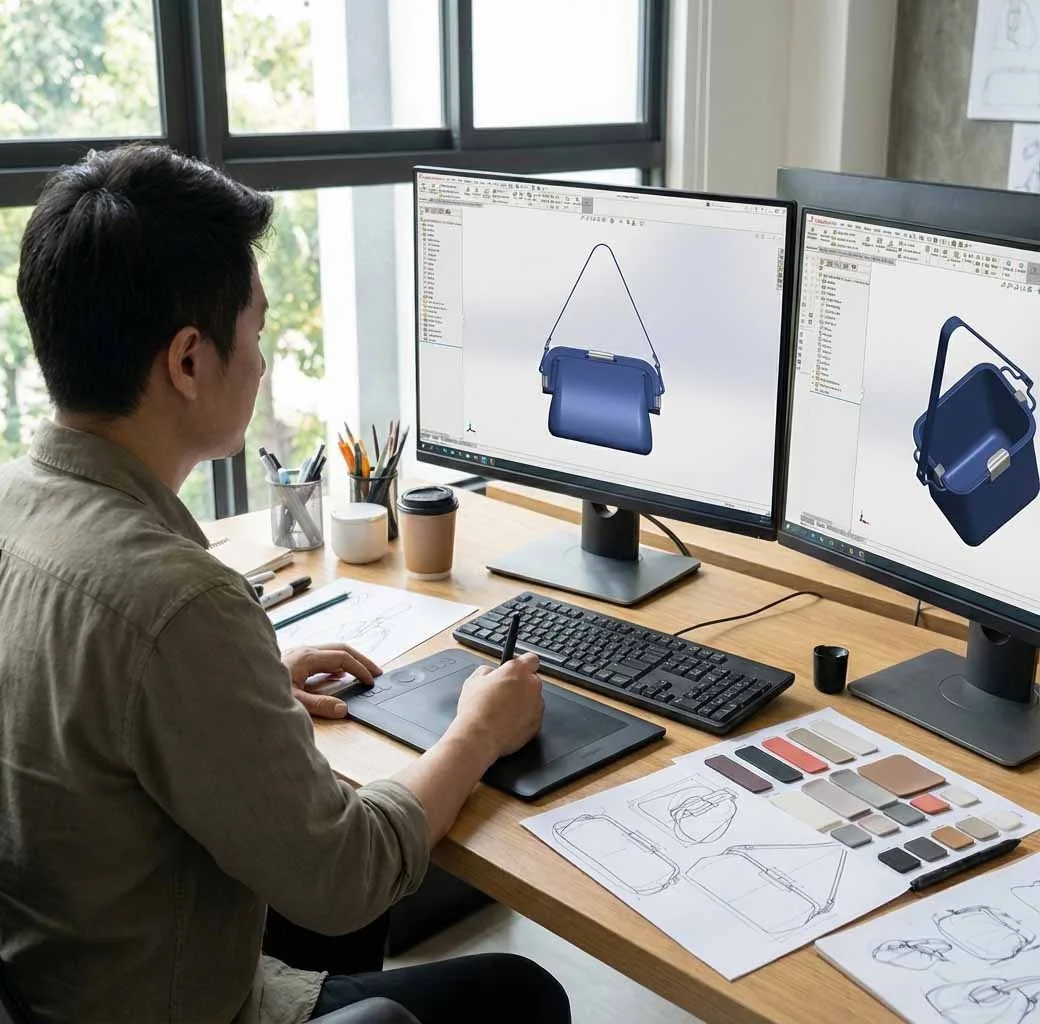
Review this route against part geometry, silicone formulation, tooling and volume. Sampling establishes whether the result fits the application.
Where a design combines silicone with another component, review the interfaces, retention, tooling and material compatibility before committing.
Timing, tooling costs and minimum quantities are confirmed for each project; they are not fixed promises across every product.
Practical answers about design, samples and manufacturing. For a project-specific quotation, send your brief to Alice.
KitchenGX is the silicone product design and manufacturing brand of Shenzhen Guixin Silicone Plastic Products Co., Ltd., based in Shenzhen, China. Our work includes product review, tooling, sampling and production. The factory page shows the molds, equipment and working areas behind this process.
For an OEM project, bring your drawing, sample or defined product specification for manufacturing review. For an ODM project, we help develop the concept, structure and tooling with you. In either case, the scope and sample approval criteria are agreed before production.
We review size, body thickness, color, frame and closure interfaces, straps, surface details, branding and packaging against the intended use. A change may require a new mold or component, so we confirm feasibility and tooling needs for the selected design.
Send a drawing, reference image or physical sample, together with intended use, target dimensions, estimated quantity and destination market. Tell us about branding, packaging and any testing requirements. Alice can review the brief by email or WhatsApp from the contact page.
They depend on the design, material, colors, tooling and order quantity. We confirm the minimum order, tooling and sample charges, and a project schedule after reviewing your brief. A custom development project should not use a general website figure as its confirmed quotation.
We review the intended market and use before selecting material and sample checks. Confirm dimensions, appearance, closure function, loading and any required food-contact or other test documents for the exact product. Sample approval and relevant documentation should be agreed before a production order.
Bring the idea, sample, drawing or problem. We will discuss a practical route forward.